
1976
Joey Ramone

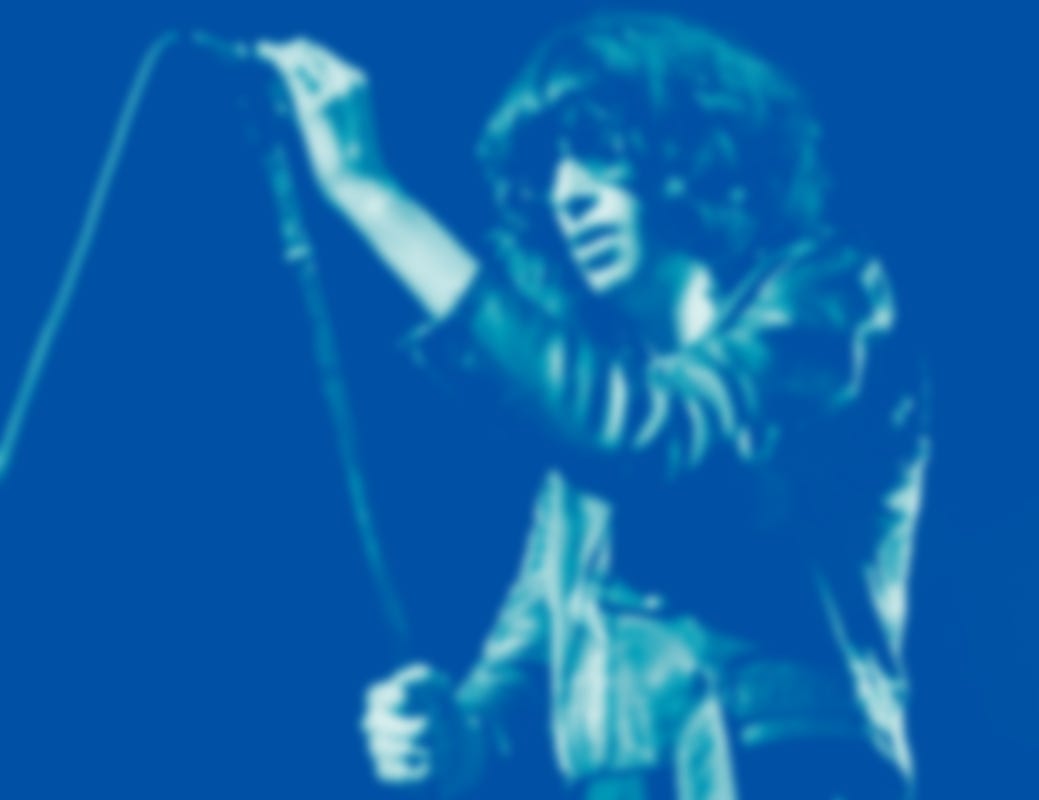
I’m twenty years old. I pay my three bucks, get the back of my hand stamped, and enter the grungy bar in the grungy Bowery neighborhood in grungy ‘70s New York City. The place smells of cigarettes and stale beer and old wood. Songs are playing on the jukebox. David Johansen is on a bar stool, drunk as a skunk, repeatedly slamming his drink down on the counter and yelling “Well, alright!”
“ONETWOTHREEFOUR” shouts Dee Dee from the stage, and a blast of sound fills the room. I can feel the drums shake the floor and fill my every cell.
Arriving to Manhattan from the Midwest was a major turning point in my life. Things were about to get really exciting.
I transferred from the Kansas City Art Institute to the School of Visual Arts in 1976, the year of our country’s bicentennial. Up until then, my impressions of New York had come from the movies; Midnight Cowboy, Dog Day Afternoon, Carnal Knowledge, Mean Streets…
Taxi Driver premiered in 1976, right after I moved to the city. I saw it in a theater (long gone) on Second Avenue near Saint Marks Place—an area that, at the time, matched the skeevy settings of the film. Had I been watching the movie back in my suburban home town, it would have been about life in the far-off exotic land called New York. But there I was, watching Travis Bickle lose his nut while from inside the theater I could hear real police sirens screaming down the avenue. And now this was my home.
New York City in the ‘70s was a mess. Times Square was still full of peep shows, porn shops, and drunks. Soho was still full of factories and warehouses, though they were in decline. The East Village was still full of drugs, rats, and filth. And the rents in that neighborhood were still somewhat affordable to a student working part-time at Baskin Robins. The relatively low rents brought creative people who were on a limited income. We dined at the Polish and Ukrainian Restaurants, where there were a dozen kinds of soup on the menu, and delicious stuffed cabbage, and pierogi. Or we’d take the subway to Wo Hop in Chinatown, which was both cheap and open all night.
Some of the top radio hits in 1976 included Silly Love Songs, Muskrat Love, and Afternoon Delight. Blechh. April of that year, the Ramones’ released their first record. It was like nothing I’d ever heard before; short and fast and LOUD. No long, tedious guitar solos. No sappy lyrics. Their lyrics were subversively hilarious. They weren’t skilled musicians; they didn’t need or want to be. The point was to clobber you over the head with sound.
My best friend, Tom, was my guide to everything cool. In fact it was he who convinced me to move to NY in the first place. A fellow Midwesterner, we met and became friends at KCAI. He arrived in New York a year ahead of me and knew what was what and where to go. It must have been Tom who steered me to CBGB. Every weekend (and some weeknights) Tom and Other Tom and I—along whomever else was up for it—walked down to CB’s to see the new bands. Television, Talking Heads, Patti Smith, Blondie, Wire, the Voidoids, the Dictators…they all played music that was the antithesis of the glop we heard on the radio. At CBGB and Max’s Kansas City, and later on the Mudd Club, Tier 3, and others, I was among non-conformists who loved the music I loved, and hated the music I hated. My people.
Joey Ramone was pale and thin, except for his wide, womanish hips. His white knees showed through the tears in his tight jeans. A thick mop of dark hair flopped into his face. His weak chin seemed to slide right into his neck. Along with his very narrow jawline, this gave his head the shape of an upside-down bowling pin. His exposed chest looked soft and hairless. Pink-tinted oval glasses shaded his wide-set eyes; his mouth was lopsided; his teeth, crooked.
He was absolutely dreamy.
But it wasn’t his looks that made me swoon, it was his voice. Ohhhh, Joey’s voice! I loved that distinctive and mysterious little vibrato at the end of each last syllable. Joey’s voice had a kind of sweetness to it as he sang the words “Beat on the brat with a baseball bat….”
Clutching the mic stand, angled aggressively toward the audience, this gangly arachnid commanded one’s attention with a confidence that he’d lacked his whole life. What else could Joey have been but a punk rocker? I always got crushes on voices more than looks. (If it was the other way around, my crush would have been on Dee Dee, not Joey. Obviously.) But even in my wildest fantasies I didn’t see any way it could work between us; his six-foot-six frame with my five foot nothin’ one.
I wasn’t a mohawk-hair type of punk; it was never my style to put a safety pin through my cheek. My fashion inspiration was Talking Heads—black jeans and a white shirt, like a waiter, but with Patti Smith’s hairstyle. One friend of mine was always bugging me to brush my hair. She just didn’t get it.
Once, when I was backstage at a B52s concert, Joey’s mom was there, wearing a beehive wig. Apparently she was a big fan of the B’s. Suddenly Joey himself was standing near me! My heart stopped. As much as I wanted to, I did my best not to stare. I was way too shy to talk to him. He was drunk. I bet it was how he dealt with fame and attention, not to mention awkward backstage socializing. He kept yelling “WHERE’S MY WINE?.” I wanted to tell him I loved him.
Back in those days, I never would have imagined that, decades later, I’d be hearing Talking Heads playing over the sound system of my local supermarket while I grocery shopped, or that a white-haired David Byrne would be a respected elder statesman, or that there would be a CBGB-themed restaurant in Terminal C of the Newark airport, or that there would be people everywhere wearing CBGB and Ramones tee shirts they’d bought at tourist shops, with little (if any) knowledge of who they were. It wouldn’t surprise me to see Ramones; the Musical open on Broadway some day. Our special, precious moment of cultural rebellion has turned into a commodity.
I used to imagine that someday I’d regale my grandchildren with stories of punk’s
gloried past, and tell them their grandma was right there in the thick of it, and wasn’t she the coolest? But when I tried to tell my stepdaughter about it, she was neither impressed nor interested. I’m just another aged hipster reminiscing about the good old days.
But, really, how lucky am I to have been there?
“Well, the kids are all hopped up and ready to go, they’re ready to go now. They all got their surfboards and they’re going to the discotheque-a-go-go.”
Four boys from Queens singing about kids taking their surfboards to the discotheque. Sublime.
I loved reading this! Didn’t move to NYC until 1980, and only had glimpses of the punk scene, so you have recreated the attraction and excitement of all that for me. Thanks!
What a great read. You capture - and elicit in me - memories of your 20s, alternative living, and the powerful energy of life in the big city.